Creating the Gold Alloy
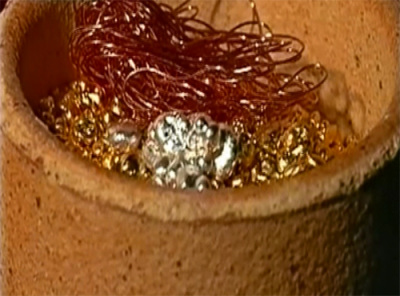
The first step in the gold leaf production process is preparing the gold alloy. Pure gold is carefully blended with precise quantities of copper, silver, or palladium to achieve the desired color and properties.
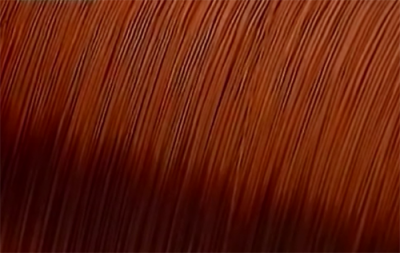
• Copper creates red gold.
• Silver produces white gold.
• Palladium increases the strength and durability of the gold leaf.
Every ingredient is measured to the third decimal place to ensure perfectly consistent color and quality from one production batch to the next. These carefully developed alloy recipes are an essential part of producing premium-quality gold leaf.
|
Copper |
Silver |
Palladium |
Once the alloy is prepared, it is melted in a crucible at approximately 1,200°C before being cast into flat rectangular ingots measuring 20 × 4 × 1 cm.
Most gold alloys follow this process, while white gold requires an induction furnace due to its unique composition.
|
Metals ready to be melted |
An alloy being casted into a rectangular mold |
The cast ingots are gradually rolled into long ribbons of gold. The first rolling stage produces ribbons approximately 70 metres long with a thickness of around 70 microns (µm).
Because rolling hardens the metal, the gold is periodically reheated to restore its flexibility. The rolling process continues until each ribbon reaches approximately 150 metres in length and a thickness of just 7 microns.

After rolling, the thin gold ribbon is cut into uniform 4 × 4 cm squares. These squares are carefully placed between specially designed plastic sheets and stacked into packages containing around 2,000 leaves. The packages are then transferred to precision gold-beating machines.
As the gold expands during the beating process, it is repeatedly resized and transferred into new plastic packets before undergoing additional beating cycles. This gradual process allows the gold leaf to become progressively thinner while maintaining exceptional quality.
The beating machines are programmed with multiple precision patterns to distribute the force evenly across every sheet, ensuring a uniform thickness throughout the entire gold leaf. During every stage of production, each gold leaf is carefully inspected to meet DeLafée's strict quality standards.

The beating machines are programmed with multiple precision patterns to distribute the force evenly across every sheet. This ensures exceptional consistency and an even thickness throughout the entire gold leaf.
The finished gold leaf measures only 1/7,000 of a millimetre in thickness, making it one of the thinnest materials manufactured today. Gold leaf dimensions can also be customized to meet specific customer requirements.

Although modern technology plays a major role in gold leaf manufacturing, the final stage still relies on skilled craftsmanship.
Experienced employees carefully cut, lift, and place each individual gold leaf by hand into gold leaf booklets. Every sheet is handled with extreme care to preserve its integrity. Any remaining gold scraps are collected, compressed, and recycled into future production batches, ensuring minimal waste.