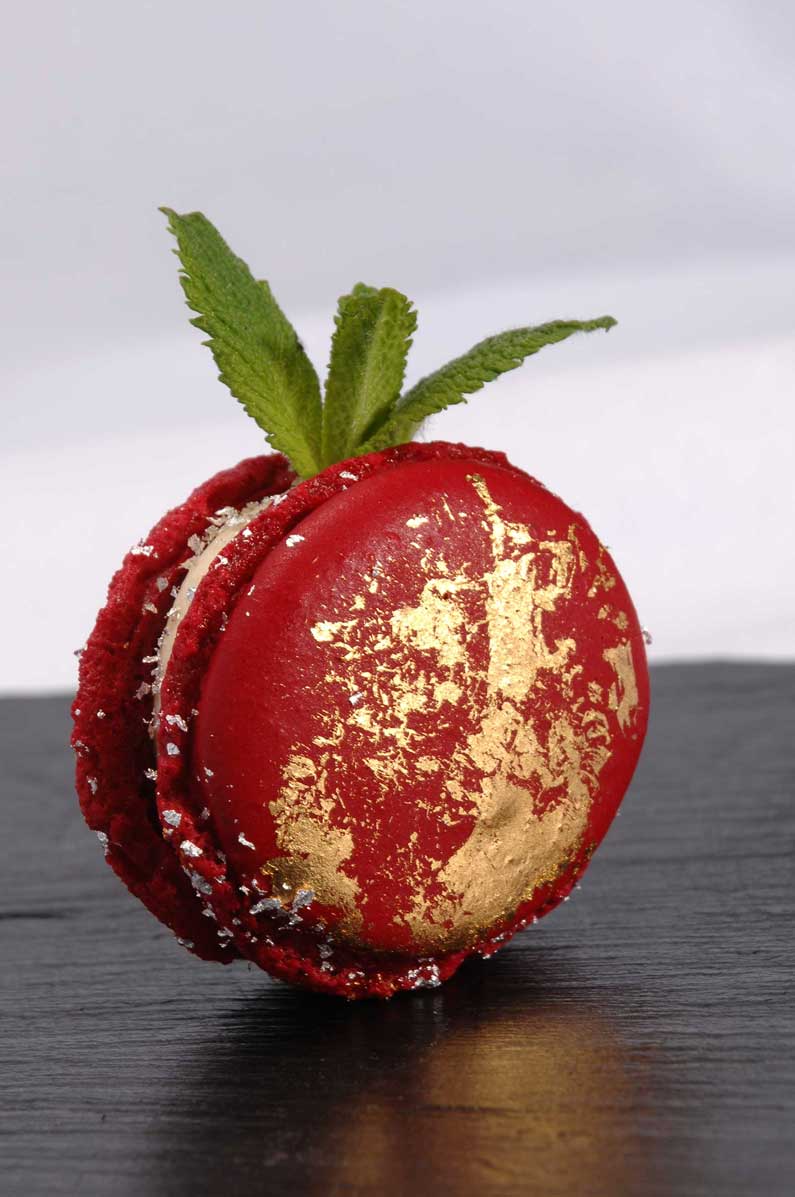
Gold for Food |
|||||
|
|
|||||
|
|||||
|
GOLD IN MEDECINE
This description of the use of gold in ancient and modern medicine is for informational purposes only. DeLafée International SARL does not suggest that the consumption of its products have any therapeutic effects. Many ancient cultures, such as those in Egypt and India used gold-based medicinal preparations. Extensive information is available on the early therapeutic use of gold in China. In “Salt and Iron” (81 BC), Huan Kuan of the Western Dynasty wrote,: “… immortals swallow gold and pearls, so that they enjoy eternal life in heaven and earth.” In the Eastern Dynasty, Ge Hong (281-341 AD) wrote that gold “tempers the body of a human being, and he enjoys eternal life”.
In Japan, tradition suggests that thin gold-foils placed into tea, sake and food are beneficial to health. This use of gold compounds in the medical field is called chrysotherapy. More recently, Jacques Forestier reported in 1929 that the use of gold complexes was beneficial in the treatment of arthritis. Later work after the Second World War established that gold drugs are effective in treating rheumatoid arthritis. In the last few years, the properties of gold compounds have been researched as potential HIV and cancer treatments. Recently, researchers at the National University of Singapore patented new gold complexes for use in pharmaceuticals for the treatment of cancer. Gold's excellent biocompatibility and high resistance to bacterial colonization have led to various uses in medicine. Apart from the obvious use of gold alloys in dentistry, there are a number of current applications of gold in medical devices, such as wires for pacemakers and implants used in microsurgery of the ear. |
|||||